
Foundation raising in Denton TX - a settled house lifted back to level on piers
Sticking doors, sloping floors or stair-step cracks in the walls? We find where your house sank and lift it back on piers.
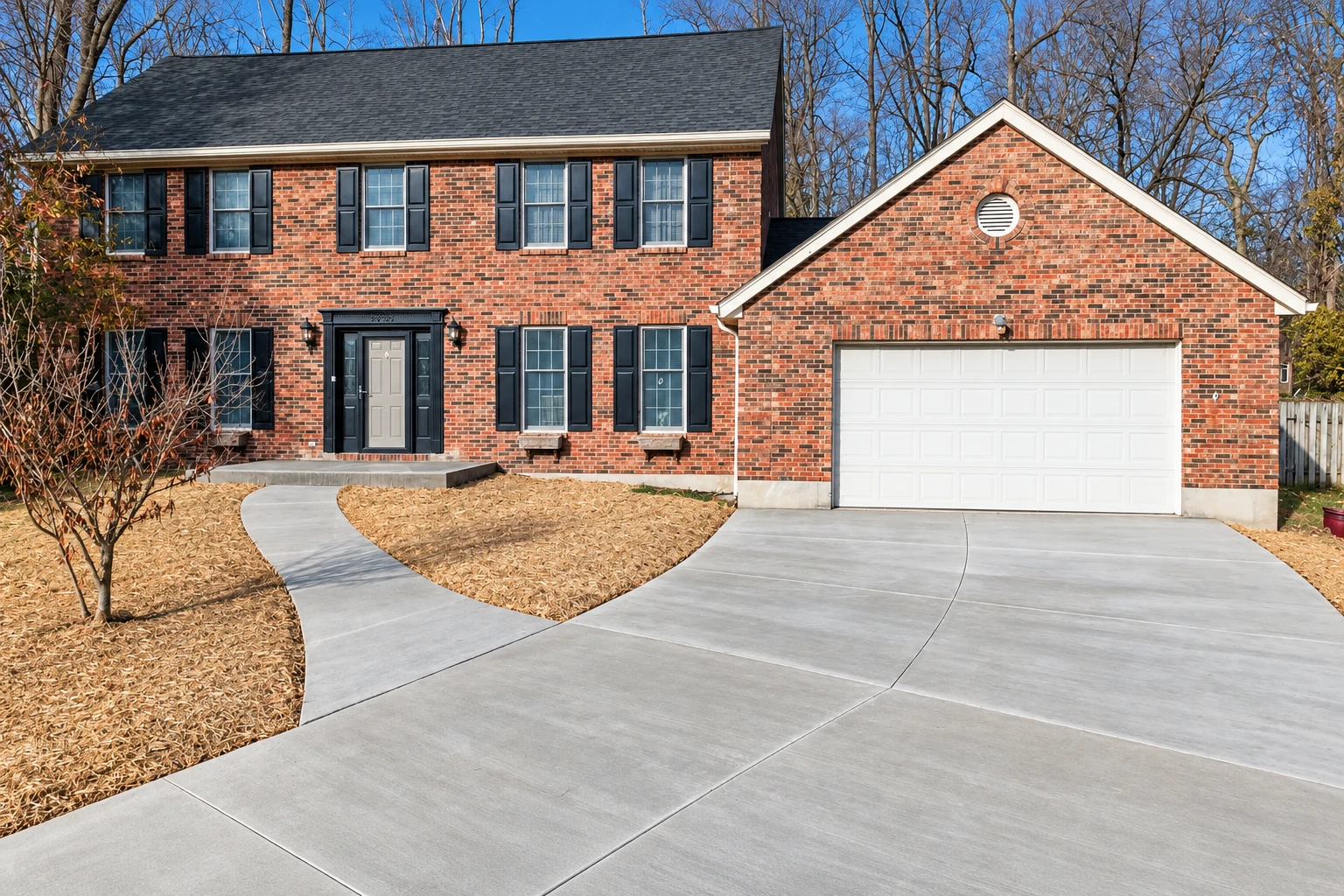
Groundwork Denton Concrete Company is a concrete contractor based in Denton, Texas. We pour driveways, patios and slabs, and we lift settled houses back to level with foundation raising. I spent years patching sunken walks and slabs for a property management company before I started this business, so I look at what's under the concrete first. We work in Denton and the cities around it.
- I MEASURE AND WRITE EVERY ESTIMATE
- LICENSED AND INSURED
- CAUSE CHECKED ALONG WITH THE LIFT
FOUNDATION RAISING FOR SETTLED HOUSES IN DENTON
Foundation raising lifts a settled house back to level on piers, which are posts set deep in the ground that hold a steel bracket under the footing. Most people call us because a door started sticking, the floor slopes toward one corner, or cracks showed up in the walls. The same piers also help keep that part of the house from sinking again.
The price mostly comes down to how many piers your house needs and which kind, since steel push piers cost more apiece than pressed concrete piers. The schedule turns on how much of the house moved, what kind of pier suits it, and whether a leak or a tree has to be dealt with before the lift. I measure before I plan anything, and the written estimate spells out what's included.
- Floor readings. We measure the floors across the house to see which parts sank and by how much before we plan a single pier.
- Finding the cause. We look for what moved the house, like a leaking line, a big tree or roof water pooling against the slab.
- Digging at the footing. Our crew digs down beside the footing at each pier spot so the bracket can sit right under the edge of the house.
- Setting the piers. Each pier goes down to firmer soil, then the house comes up on the brackets while we watch the levels.
- Backfill and clean-up. We pack the dirt back around every pier, haul off what's left over and leave the beds as close to how we found them as we can.
PIER WORK WE DO ON SETTLED HOUSES
Most lifts here use one of three kinds of pier, and the right one depends on how heavy your house is, what it sits on and how badly it's moved.
PUSH PIERS
Steel piers pressed into the ground with hydraulics, using the house's own weight to drive them down. They're the kind usually used when settling is severe or keeps coming back.
HELICAL PIERS
Steel piers screwed into the ground with a hydraulic motor, then tied to a bracket under the footing the same way a push pier is.
PRESSED CONCRETE PIERS
Concrete pier sections pressed into the ground. They cost less per pier than steel push piers, so they're often weighed for settling that isn't severe or recurring.
CUTTING FOR ACCESS
When a pier has to go where a walk or patio sits, we use concrete cutting to open a clean, square hole instead of breaking out a ragged one.
If something else is sinking around your house, like a porch step or a walk, call and ask whether it's work we can take on.
WHY FOUNDATION RAISING IS WORTH DOING RIGHT
A careful lift brings your floors back toward level and leaves piers in the ground that help hold them there. A rushed one can bring the house up unevenly, or leave it moving because nobody fixed what sank it.
- Every pier checkedPush piers are load tested as they go in, so ask how each pier's capacity gets checked on your job.
- The cause dealt withA leak or a big tree keeps working on the soil, and pulling an old tree can let clay swell back, so timing matters.
- An even liftThe house comes up a little at a time across all the piers, so one corner doesn't jump ahead of the rest.
- Steady moisture afterGutters that carry roof water clear of the slab, and steady soil moisture through a drought, help keep the clay from swinging wet to dry.
HOW A FOUNDATION LIFT GOES
I come out and measure
I come out myself, take floor readings, look over the cracks and sticking doors, and check for a leak, a tree or drainage working on the soil.
Plan and written estimate
I show you the readings, explain which pier suits your house and how many it needs, and send a written estimate listing exactly what's included.
Lift, check and walk-through
Our crew sets the piers and lifts the house while I check the work at the key steps, then we walk the finished job with you before we pack up.
WHY HOMEOWNERS CALL US FOR A LIFT
I spent years fixing concrete that sank because nobody checked what was under it. On a foundation lift, that means measuring first, finding the cause and telling you plainly what the piers will and won't fix.
THE OWNER DOES THE ESTIMATE
I come out, measure and write the estimate myself, and when you call or send the form, you'll hear back from me directly.
OUR OWN CREW ON YOUR HOUSE
Our own crew handles the digging, the piers and the lift, and I check the work at the key steps instead of leaving it to chance.
WE KNOW WHAT'S UNDER A SLAB
We're best known for driveways, patios and the prep under them, so soil and drainage get our attention before anything else does.
FOUNDATION LIFTS IN DENTON AND NEARBY CITIES
About half of Denton County's soil is clay that swells when it's wet and shrinks when it dries, which is why so many houses settle in Denton, Corinth and Sanger alike. Before I plan a lift, I look at gutters, sprinklers and nearby trees, because they decide how wet the clay under your slab stays.
If your job needs a permit, we file it and set up the inspections, and when I'm not sure what applies, I check with the office that covers your address. In Denton, the city's building office takes questions at building@cityofdenton.com. Whether a repair needs a licensed engineer is a common question, and the state engineering board has a guide that walks through it.
TELL US WHERE YOUR HOUSE IS SINKING
Tell us about the cracks, sloping floors or sticking doors, by form or at (940) 287-2036. I'll reply within one business day to set up a free, no-obligation visit.
Call (940) 287-2036Foundation raising questions from Denton homeowners
How much does foundation raising cost near Denton?
Foundation repair in the Dallas area usually runs about $3,500 to $7,000 a job for most homes, according to one Dallas cost guide. That's the going rate around here, not our price. Your own figure comes down to the pier count and type covered above, and I'll put it in a written estimate after I measure.
Should I get push piers or helical piers for my house?
Either can be right, because both hold the same way once they're in and the main difference is how they go in. Helical piers work whatever a house weighs, while push piers may start lifting a light house before they reach firm soil. A shallow footing or a slab with a thicker edge may call for helical piers.
Why do foundations move so much in Denton County?
Foundations here move mostly because the clay under them swells when it's wet and shrinks when it dries out. Leaking plumbing, how the yard is watered and planted, and how the house was built can add to it. That's why we look at all of those along with the lift.
What should I get after my foundation is lifted?
You should get a record of your floor levels taken after the repair. Texas repair guidelines say the engineer should measure floor levels once the work is done and give the client a copy. We take readings before and after and share them with you, so you can see the change for yourself.